
learning and development for foster carers
At Foster Wales, support is at the heart of everything we do – both when working with young people and when guiding foster carers on their journey. That’s why we have meaningful learning and development opportunities at every step of the way.
While fostering agencies might use labels like ‘foster care training’ or ‘training for foster carers’, as Local Authority fostering services across Wales, we prefer the term ‘learning and development’. We believe there are many ways to gain valuable skills as part of the fostering community and that it’s an ongoing process, rather than a one-off course.
Our learning and development framework goes beyond traditional foster carer training to encompass broader, more flexible methods of real-world learning.
From new foster parents to seasoned foster carers, we can support everyone in building up skills and confidence. So, you can grow, adapt, and provide the best possible care to the young people you’re fostering.
why learning and development matters
The role of a foster carer is rewarding, but it can also be challenging – and it is, without a doubt, always evolving. That’s why our learning and development goes beyond the initial foster training course.
We have different programmes designed to meet your needs – from support in your first year as a foster parent to specialist areas you can upskill in, from workshops, to working alongside other professionals, to independent reading.
Just starting out? Learn more about what is foster care?
learning and development opportunities: every step of the way
Every foster carer brings their own unique experiences and interests, so there isn’t a one-size-fits-all training program.
While there are some courses that we need every foster carer to complete—because they provide essential knowledge and skills for everyone—training beyond that can be tailored to suit your individual needs, existing knowledge, and the specific children in your care.
Once you’ve completed the required steps to become an approved foster carer, you’ll have the flexibility to choose what and how you continue learning.
Here’s just a quick overview of how learning and development works at each stage of the fostering journey:

before you start: pre-approval training
Often referred to as pre-approval or preparation training, this first course is designed to give you insight into what fostering looks like day-to-day: from the practical to the emotional.
The Skills to Foster Training from The Fostering Network is a nationally established course that the majority of our local authorities use. Often described as an eye-opener, Skills to Foster Training (or other versions of preparation training) will guide you through topics such as the role of a foster carer, introducing fostering into your home and family, various types of fostering, and supporting foster children while they are with you, and when they move on.
During this training, you’ll also have the chance to meet other carers who are just beginning their journey – a valuable social element which can help you form long-lasting connections.
“The three-day training course was a real eye opener, it’s tough hearing about all the types of neglect little ones can face, especially as it’s so close to home – children living within our local area. We got to meet foster carers, potential carers and more social workers who all played an important role in helping us understand what we were letting ourselves in for!” Foster Carer
As the first step of your fostering journey, this is the perfect chance for you to ask questions, understand the everyday realities of being a foster carer, and reflect on whether it’s right for you.
induction: making a confident start
Once you’ve been approved as a foster carer, you’ll have your induction – this will include practical foster training essentials you need to understand (usually) before you’re matched with your first foster child.
During induction, your local authority team will cover topics such as their core procedures, what support is available to you, record keeping, communication, safe caring practices, and working with birth families.
your first year: essential learning and growth
We’ve also designed ‘Your First Year’ as a programme which helps foster carers through their first 12 months with essential learning and ensuring you can find the right support, from the right people, at the right time. Building upon all the skills and knowledge you’ve gained during your initial foster care training, this programme focuses on practical learning based around your real-life experiences.
It’s all about challenges you might naturally encounter during your first year – from working with the everyone in your foster child’s care team to child development and attachment, understanding and managing their behaviour, as well as building emotional resilience.
Explore some of our most common questions about fostering.
ongoing learning and development
Of course, learning doesn’t end there. Fostering is an ongoing journey – which is why we’ve created a learning and development framework that can support you as you grow your skills as a carer. Some of the core subjects we cover include:
- Safeguarding
- Health and wellbeing
- Education and development
- First aid, and health and safety
- Working with birth families
- Digital and social media safety
Additional (specialist) subjects:
- Moving a child on to adoption
- Therapeutic fostering
- Parent and child fostering
- Supporting asylum-seeking children
- Caring for children with specialist needs

flexible learning methods
We know every foster carer has different circumstances and responsibilities, so there’s no one-size-fits-all foster care training method. Instead, we offer flexible learning formats which cater to varied learning styles and allow you to make the most of your time.
You can choose from:
- Face-to-face group discussions, workshops and events with your local fostering community
- Online webinar courses which can be completed remotely to fit around your other commitments
- Self-guided recommended resources that you can read and watch at your own pace
recommended reading
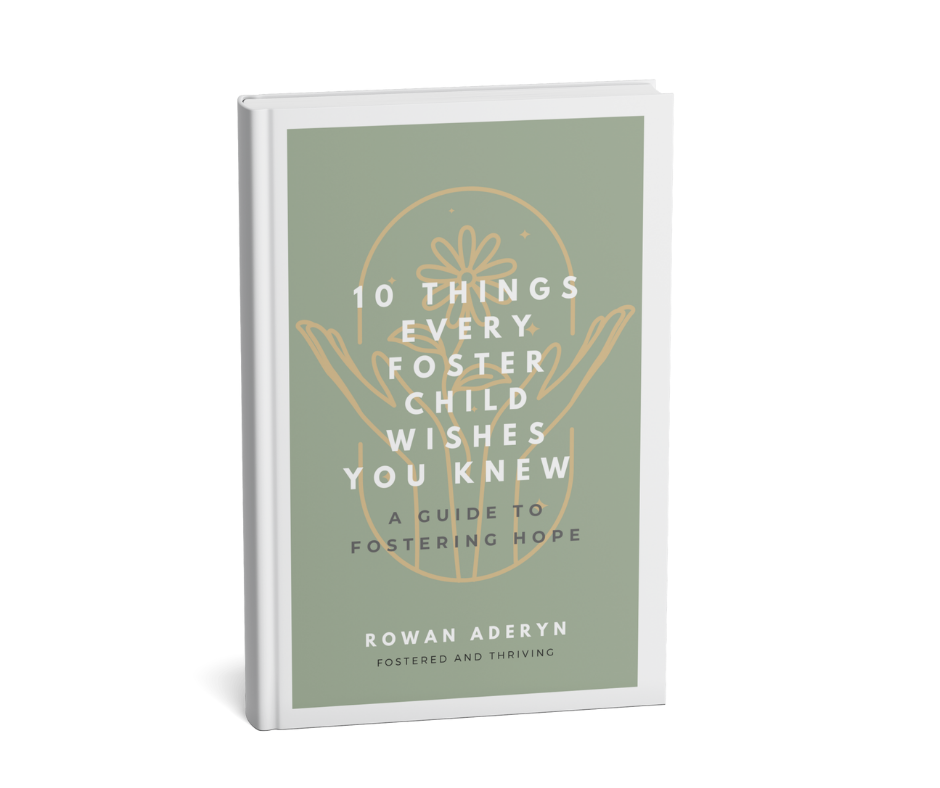
ten things every foster child wishes you knew by rowan aderyn
‘Ten Things Every Foster Child Wishes You Knew is an insightful and deeply personal exploration of the foster care system, offering a unique perspective on the challenges and emotional needs of foster children. The author provides a heartfelt guide for foster carers, social workers, and anyone involved in child welfare.’
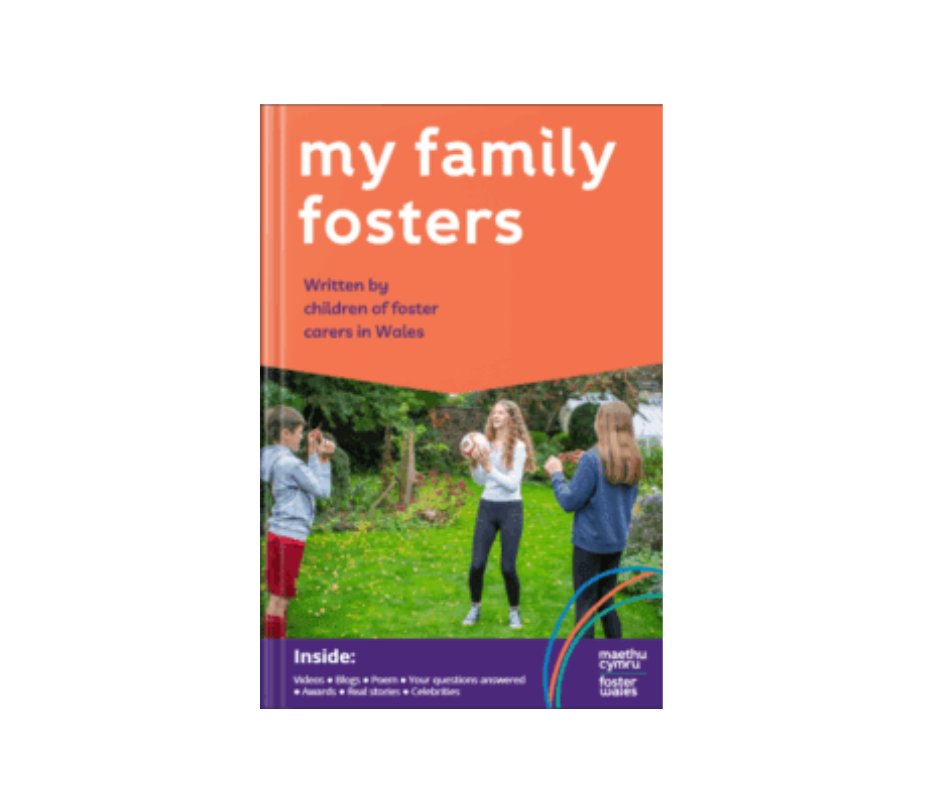
my family fosters
Written by children of foster carers in Wales, this eBook paints a picture of what being a foster family is like for the entire household. An informative read for anyone considering becoming foster parents, as well as their children.
tracking your progress
Each of our foster carers has a personal learning plan, where they keep track of all the learning they’ve completed as a foster carer, or transferrable training from your workplace or other roles. This is also the place where you can note any future goals and plan further development.
Our new digital training portal, makes accessing resources, tracking your progress, and staying connected with your local authority team even easier.
annual reviews
Each year, you’ll meet with your supervising social worker to review your training needs and learning record. During this meeting, the two of you will reflect on your past learning, identify areas where you want to develop further, and put together a future development plan.
Of course, training needs don’t need to wait for your annual discussion, your regular supervision visits can identify great courses to help you throughout the year.
From building up your confidence in certain areas to taking on new challenges and building more specialist knowledge, your local authority team will support you in growing your foster care role.
support beyond foster training
Our learning and development framework is just one element of the ongoing support you’ll have access to as a foster carer in our community. Your local authority team will also ensure you have access to experienced social workers whenever you need a chat, as well as foster carer support groups, peer support and a 24/7 support team.
There are also plenty of events and networking opportunities designed to bring you closer to others in the fostering community. Plus, you’ll be able to access a wealth of online resources, so you can further develop your knowledge and skills.
Find out more about our support and rewards.
events
The annual Foster Wales conference brings together amazing guest speakers from across Wales and a chance for foster carers to chat to subject experts face to face.

FAQs
what is foster training?
Foster care training – or what we like to refer to as learning and development – includes educational resources, upskilling, networking opportunities, and specialist support. It’s designed to help foster carers build their confidence and grow in their role.
what is skills to foster training?
Skills to Foster is a pre-approval foster training programme that prospective carers across the country take part in before they start fostering.
It’s delivered by the local authority teams and designed to outline key information about different aspects of fostering, so applicants can gain a better idea of what to expect if they’re approved.
what qualifications do I need for fostering?
You don’t need any formal qualifications for fostering. You simply need the capacity to provide young people with a caring and supportive home where they feel safe, as well as a commitment to furthering your own learning and development.
That said, if you’ve done safeguarding – or any other relevant training – through work, we’ll consider that learning and development box ticked.
how long does it take to train as a foster carer?
The approval process for becoming a foster carer takes several months; this includes the preparation training course training course typically run over 3 full days or 6 evenings.