
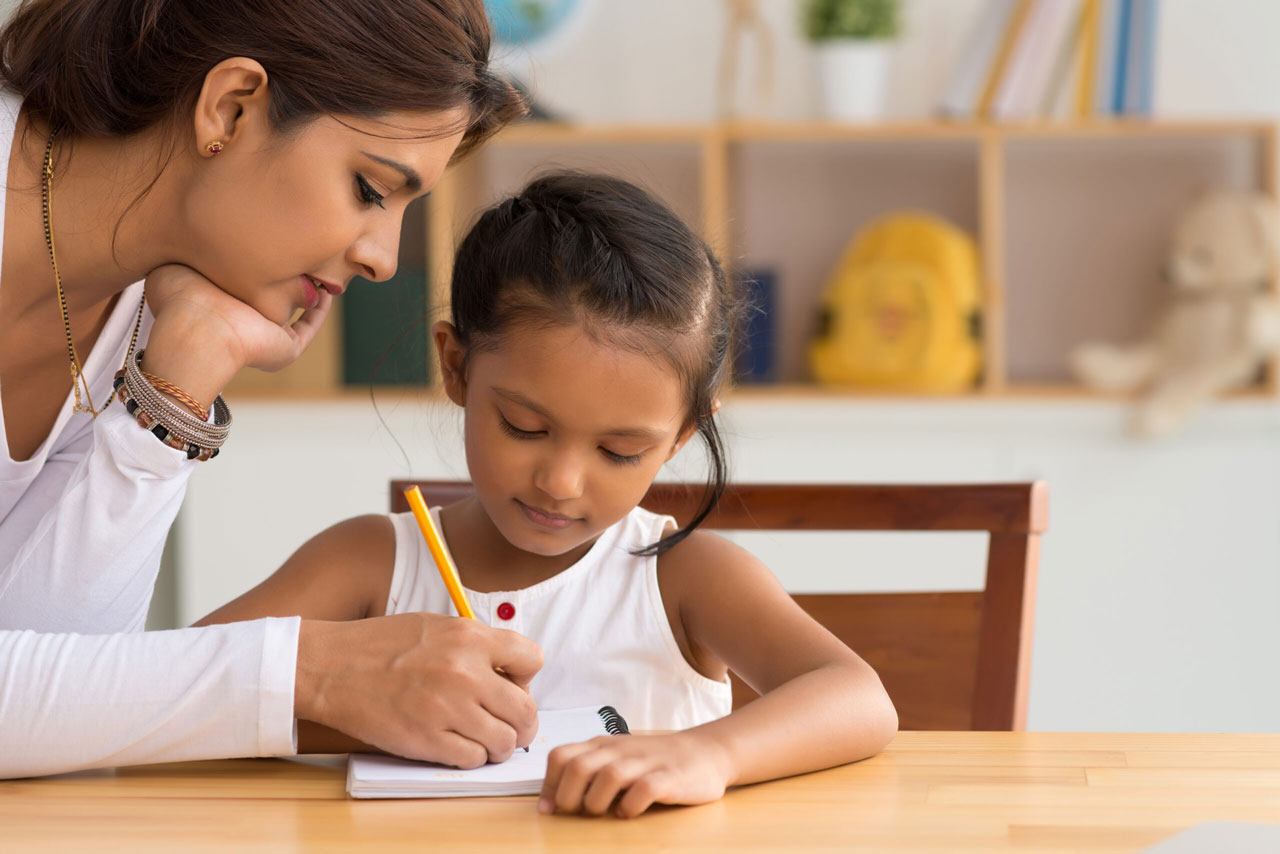
Fostering starts at home, but school is an important part of a child’s development. The school day is a big part of their lives, so foster carers and school staff need to work as a team.
Whether you are a foster carer needing to know the best ways to support a child in school or a teacher wanting to know more about how to support a looked-after child in your class, here’s some advice from foster carers in Wales.
understanding the challenges
School isn’t always easy, especially for children who’ve experienced change, loss, or disruption, but education can bring opportunity – and challenge.
a child’s early relationship with school
Some foster children may have had limited school attendance previously. They may be behind in their class due to disrupted education. Often children do not want other classmates to know they are looked-after, they yearn to fit in and be seen as being the same as those around them. Children can find this embarrassing and try to distract their classmates by acting up. They also may have had to move schools more than once, which can make it hard to make friends and feel settled.
starting a new school
Although we try to maintain connections with the child’s current school, sometimes a school move can mean a fresh start. But before starting a new school, they might have emotional or behavioural responses.
You can arrange to visit the school before the first day, practice the drive there and have a look around together to answer any questions they might have.
If you don’t know the answers, that’s an opportunity to call the school and ask, and a great way for you to start building important relationships with the staff.
It is very important that the children get to meet the adults who will be with them through their school day. Having that familiar, friendly face who is a constant in their day makes things easier for them.
“I once contacted a school during the summer holidays and left a message asking to be called back, as a child came into my care during that time. The headteacher then saw me on the first INSET day, and we established a really positive working relationship.” Foster Carer
working as a team with schools
Foster carers and teachers are a key part of the team around a child in care. Building positive relationships with school staff can make a real difference.
“I think that school attitude to foster carers has changed considerably over the years, from being “only foster carers” to being part of a team, with some schools even realising that foster carers know the young people best.” Foster Carer
sharing information
The information that teachers receive about children in care can vary, with not everything shared.
As a foster carer, sharing information with teachers is important, so they know what you know (with agreement from the child and social worker).
Foster carers can work with the school, alongside the child and the social worker to agree a one- page profile of important things for each teacher to understand without needing to hear their whole story.
In primary, one teacher is with the child for 6.5 hours a day and need to understand them totally. In secondary, this is more challenging with 10-15 different teachers each year.
Teachers will find a chat with the foster carer invaluable.
key members of staff
Introducing yourself early to the class teacher and the head teacher (or head of year in high school) is a great way of building an important relationship with the school. It will allow for more comfortable communication to share relevant information.
Every school must have a looked after children lead – so it’s worth building a relationship with them throughout your fostering.
contact details
Ask for a contact number or email address for the class teacher. In many primary schools, the main point of contact is the Headteacher or Head of Year in High School, as individual staff email addresses are not often shared. Day-to-day communication with class teachers is usually managed through Class Charts or other online classroom platforms.
It’s also recommended that you share your own contact details with the school.
Many schools have a family liaison officer who is available to support carers and families with any concerns.
Finally, ensure the school has up-to-date contact information on their system, including phone numbers, email addresses, and details of approved adults who are authorised to collect the child from school.
communicating changes to plans or behaviour
Children who’ve experienced change, thrive on predictability.
Foster carers should encourage the teacher to send a quick message if there has been even a minute change to plans or they’ve detected a behaviour change – and vice versa. Little daily concerns may not be considered important, but sharing these can help unpick a puzzle. It can be one of the most impactful ways foster carers support children in their care.
When schools and carers work together to understand the effects of trauma, behaviours that might otherwise be misunderstood are seen more clearly as signs of unmet needs. By sharing patterns (eg. this happens every afternoon) rather than isolated moments, foster carers can help schools put the right support in place for the child.
“The school often sends a message if anything changes from the usual plans, such as staff changes, outings, or a change of equipment needed, which meant I could give more support to the young person.” Foster Carer
face to face
Being a familiar face will encourage a more open relationship with the school.
This can be more challenging in secondary school so setting up a meeting is key to build that relationship.
Arrange a face-to-face meeting with the school staff – not just waiting until the child’s review. Also attending Personal Education Plan (PEP) meetings and parents’ evenings is important.
Foster carers should be encouraged to be an “active parent”, ask questions and keep the class teacher informed.
review meetings
Children in foster care will have a review meeting every 6 months, where all the adults in their life will discuss plans with the child and their reviewing officer. Before every child’s review, the educational report will be updated by the child’s teacher.
But it may be the head teacher, or someone with a strategic role who looks at the use of funding, who attends the review meeting.
It’s important to maintain a relationship with the head teacher, the class teacher and the looked-after children lead.
PEP Meetings
PEP is a Personal Education Plan. This is a plan for the child’s needs and how best to support them in school. The child, foster carer, child’s social worker and teacher should be all be included in the meeting to discuss the PEP and what needs to go in it. Every looked after child requires a PEP but everyone’s involvement is crucial to make it meaningful.
disagreements
There may be disagreements between schools and foster carers, as you may have a different understanding of the child. The child can present very differently in school than at home, in a positive or negative way so perception of needs may vary.
Carers need to be outspoken and challenge – positively and respectfully. Be calm, specific, factual and persistent.
This is when a good relationship with the school is key.
You can seek advice from your supervising social worker or child’s social worker. You can discuss these differences in a CLA review so that everyone can be on board with the best way forward.
understanding the child
Some school staff understand that young people aren’t in the care system because they are “naughty children“ but because of circumstances beyond their control.
Some children are living with trauma, and their actions are affected by that.
Rather than being labelled as defiant or lazy, it’s about understanding that our children may have sleep deprivation, food anxiety and need help with regulation. By removing barriers, providing safe spaces, breaks and predictability, children can actually learn.
It can help to identify a key person in the school, someone they can turn to if dysregulated and needing support. This shouldn’t necessarily be one person for all children, but the right one person for that child.
Many schools today are aware of or have attained a CLA Accreditation, in which they are aware of and are trained in the additional needs of our children and young people. Some schools arrange their teaching style to accommodate the young person’s needs. School staff today receive a large amount of training to be more trauma-informed. Their practice includes emotional support, use of a restorative approach and calm withdrawal areas when required.
“The schools the young people I cared for attended were, for the most part, willing to listen to what I was explaining, and how they could accommodate the young person’s needs and took it on board.” Foster Carer
understanding the foster carer’s role
Being a foster carer isn’t easy. Sometimes juggling the needs of different children in their care, alongside their own children and the typical ups and downs of family life. Sometimes it’s an achievement getting children to school, on-time, or eating any lunch, or taking the right equipment; and some schools realise that.
Schools are willing and want to support with arrival and pick up problems if informed. Foster carers can sometimes make use of breakfast clubs and afterschool clubs where available and suitable for the child. These can also aid in the formation of new friendship groups and a feeling of belonging in the child or young person’s new setting. Although for some children the 9-3.30 day is long enough.
understanding looked-after children’s behaviour
When a child has learnt that the world is unsafe and adults are not to be trusted, they develop behaviour to protect themselves. This may mean that they have different responses to situations than their peers, which requires understanding rather than trying to fit every child into the same set of expectations.
“One of my young people threw an apple while trying to get it over a three-storey school building, and it broke a second-floor window. The school was very disappointed that the young man had lied and said he hadn’t done it. What they didn’t realise was that he believed he would be physically punished. It became a learning experience for the school staff: shouting does not uncover the truth. It was also a lesson for the pupil – that telling the truth does not result in being hit or hurt, no matter what has happened.” Foster Carer
building confidence and belonging
Feeling accepted and valued at school is just as important as academic progress. Encouraging friendships and participation in clubs or activities can also help the foster child’s confidence. Although some children may not want all of their school friends to know that they are in foster care.
supporting learning at home
We understand that even getting a child to school can be an achievement in itself, so sometimes doing their homework might not be a priority. Children thrive on safety, connection and regulation. Your home needs to be a safe space for them. This may mean that home and school may need to be kept separate, even doing homework at school before they come home, at another venue or not doing homework at all.
However, you can also show an interest in what they’re learning at school. They’re more likely to open up if you have candid discussions about what they’re learning.
For many foster children, feeling supported emotionally can be just as valuable as academic help. Praising any effort and perseverance could encourage them to keep trying hard.
when challenges arise
Difficulties with behaviour, attendance, or learning are common and manageable. You don’t have to wait until things feel unmanageable to ask for help.
If concerns come up, we recommend you contact the class teacher or your supervising social worker as early as possible. Use PEP meetings to raise ongoing issues and agree on what next steps you need to take.
support available in Wales
If you’re wondering how to support a looked-after child in school, there are a range of education services, including:
- Virtual School Heads or equivalent education leads in each local authority
- The Pupil Development Grant for foster children (PDG LAC)
- School-based wellbeing and pastoral support services
There is also foster carer school support available here:
- Your local Foster Wales team
- The Fostering Network
- Welsh Government guidance on education and foster children
- Local Authority Fostering Pioneers
- Speaking to other foster carers about local schools
Remember, these services are there to support both you and the foster child.
further education
Educational support to our young people doesn’t stop at school. Many of our Foster Wales care-experienced ambassadors, Sophia, Em, Jake and Mary, went on to university and successfully achieved their degrees.
The “Tick the Box” campaign encourages young people to inform universities of their care experience so that they can access support. Widening participation teams within universities can offer support.
foster children and education
When it comes to foster children and education, every bit of encouragement, patience, and communication you offer helps a foster child feel more confident about learning.
Remember you’re not doing this alone.
Schools, local authorities, and our team at Foster Wales are here to work alongside you and your foster child. We truly believe that every foster child deserves the chance to feel supported, valued, and hopeful about their future.
Always remember that all schools have an open-door policy and welcome your interaction and support.