

A night away in a different bed can feel strange, but imagine you’ve been separated from your family and will be spending the night in someone else’s home. This can be an upsetting time which leads to foster child sleep problems. So, whether an emergency or something more long-term, support and kindness are essential.
Read more: How to welcome a foster child into your home and say goodbye
speaking from experience
Every year at our annual conference, we invite expert speakers to present. This year was no different. With a theme of sleep, Jayne Tanti, foster carer, founder of Snug, and CEO of Care Leavers Cymru, spoke on the first night in care. She was closely followed by national charity Cerebra, which discussed supporting children’s sleep.
Read on to learn more about sleep during the first night in a new foster home, and some of these experts’ top tips.
common sleep issues among foster children
We spend a third of our lives asleep; Sleep is important. It helps us to restore, recover, and refocus. For children in particular, it benefits their concentration in school, assists them in controlling their emotions, and eases regulation of their behaviour.
Unfortunately, sleep related issues are common in foster children:
struggles getting to sleep
A child may be absolutely exhausted, but their nervous system could be on high alert due to unfamiliarity and the trauma of separation.
Let’s jump into the science for a second…
Stress can prevent sleep. When we’re stressed, our bodies stop making the sleep hormone, melatonin. That means a child placed in your care may not feel tired at a regular bedtime. If a child seems full of energy, repeatedly asks questions, or resists bedtime, this could be their way of trying to feel safe rather than being defiant.
frequent waking
An inability to stay asleep can be caused by many things:
- Past trauma could mean a child doesn’t feel safe in the dark and is always in survival mode.
- An unpredictable family life may mean they haven’t had a sleep routine before.
- They may have anxiety about being in a new home with new foster parents.
nightmares
There’s no confirmed biological trigger that causes nightmares, but they are known to be linked to stress, trauma, and lifestyle changes. So, it may come as no surprise that nightmares and night terrors can be common when a child first stays with a new family.
how to help foster children get a good night’s sleep
Foster carers offer more than just a bed for the night. Here are a few ways you can help a child feel more settled:
offer a drink
A warm drink or (if you get to speak before they move in) a favourite meal can help a child relax. It’s a small gesture, but it shows you care and want them to feel welcome in your home. And, after a big day of change, a moment to relax could mean they drift off more easily.
give them a choice
Choice and control are very important during a first night in a new foster home. Offering children small choices wherever possible can be significant for a child who has had little control over what has happened during that day.
For example, a bath or shower is typically part of a bedtime routine for children because the warm water relaxes your muscles, helps to lower stress, and can trigger your body’s natural cooling cycle. So, ask if they would like one.
It’s important to gently encourage this but not force the idea. It has to be their choice, as it can feel scary getting undressed in a stranger’s home.
Other choices could include where they place their belongings and whether they sleep with the door open and a light on, or not.
create a welcoming space
All foster children must have their own bedroom, even for short-term stays. They need somewhere they can feel safe and have privacy. Although there can be some flexibility when fostering brothers and sisters, for them to share a bedroom. To make this bedroom feel more homely for a new child arriving at your home, you can add a few special touches. From a cuddly toy to toiletries, small things that show you care can make a big difference on that first night.
For more inspiration, or info on bedroom necessities, read: What are the foster care bedroom requirements in the UK?
provide comfort
The aim on that first night isn’t simply to get a child to sleep, but to begin creating emotional safety, predictability, and connection. When a child feels these things, they may relax more, let their guard down, and sleep will come naturally.
Familiar or comforting objects can help with this. Our conference speaker, Jayne, is the founder of Snug: an organisation offering a hug in teddy form. A snug teddy is ‘a companion, friend, and source of comfort that a child can hold close when everything else feels different’. It can help provide connection and reassurance by being a consistent presence and supporting bonds and attachments, as well as a sense of ownership and control when the world around them is changing.

read them a story
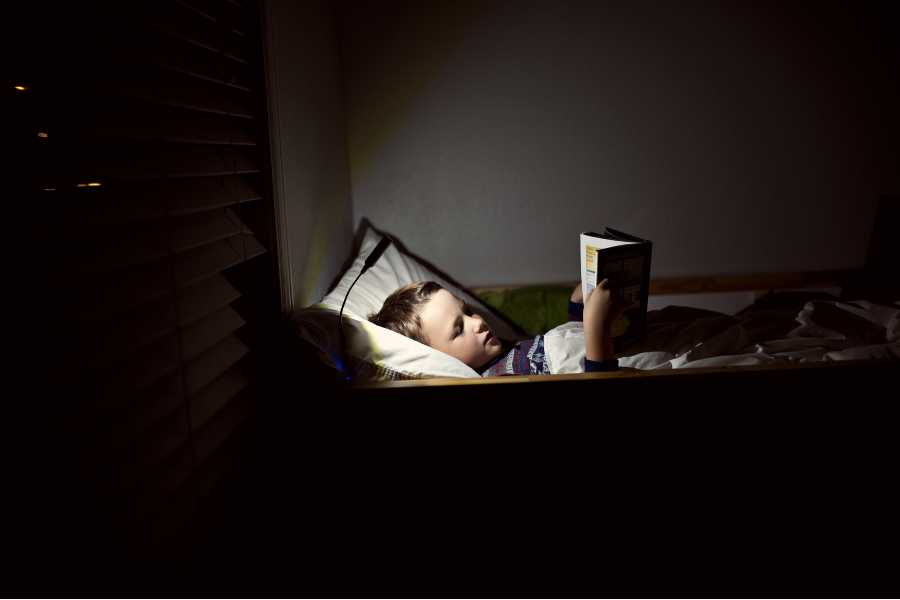
A bedtime story can offer a child escapism: A short distraction away from the disruption of the day, where they can imagine another world.
As carer Jenny says:
“When my own children were learning to swim, and I needed them to relax in the water, I said “pretend to be a baby seal sleeping.” As my children got older, this grew into a bedtime story. As I talked about the waves rocking back and forth, the rhythm of the waves, you could see their eyelids flutter. You can make the story go on for as long as you need.
“As a foster carer, I was caring for a very strong-willed girl. It was her first night in a strange house. At bedtime, I told her the baby seal story. She relaxed, and she slept.
“Telling stories works, for all ages of children, from age 18 months old to age 10. One girl had a nightmare in the middle of the night, so out came the baby seal story again.
“I tell them stories of my own childhood. Kids in care don’t have good stories. They like to hear about children having happy childhood adventures. They like to hear about my family’s ordinary life, not the life they’ve lived. “Is that real?” they ask me, and they know I’m telling them the truth. They will sometimes claim my stories as their own, because they are better than the one’s they’ve got.”

explain what happens next
The unknown can be scary, and some children lie awake at night worried about what happens next. Will they stay where they are? Will they go somewhere else? Will they get to go home? So, reassuring them that they are safe can make a big difference.
You may not know what will happen long term, but share what you do know and be honest about what you don’t. Even small certainties can help, such as who will be around in the morning and where they’ll have breakfast.
As Jayne says:
“That first night can shape how a child begins to understand safety, trust, belonging, relationships, and whether adults feel emotionally safe.”
be there for them, and we’ll be there for you
Foster carers need sleep too, but we’d recommend reassuring the child before you hit the hay. Ask them if there’s anything they’d like to talk about and get off their mind, and point out where your room is so they can knock if they have issues. Also reassure them that, if they do wake up, need you, need the toilet, or need a drink in the night, you won’t be mad.
Children will sleep better knowing there is someone there for them whatever the hour.
At Foster Wales, we partner with sleep experts like Cerebra, so our foster carers have access to the latest tips and advice. If you have questions about the first night’s sleep, reach out to your local authority team for hands-on advice.