
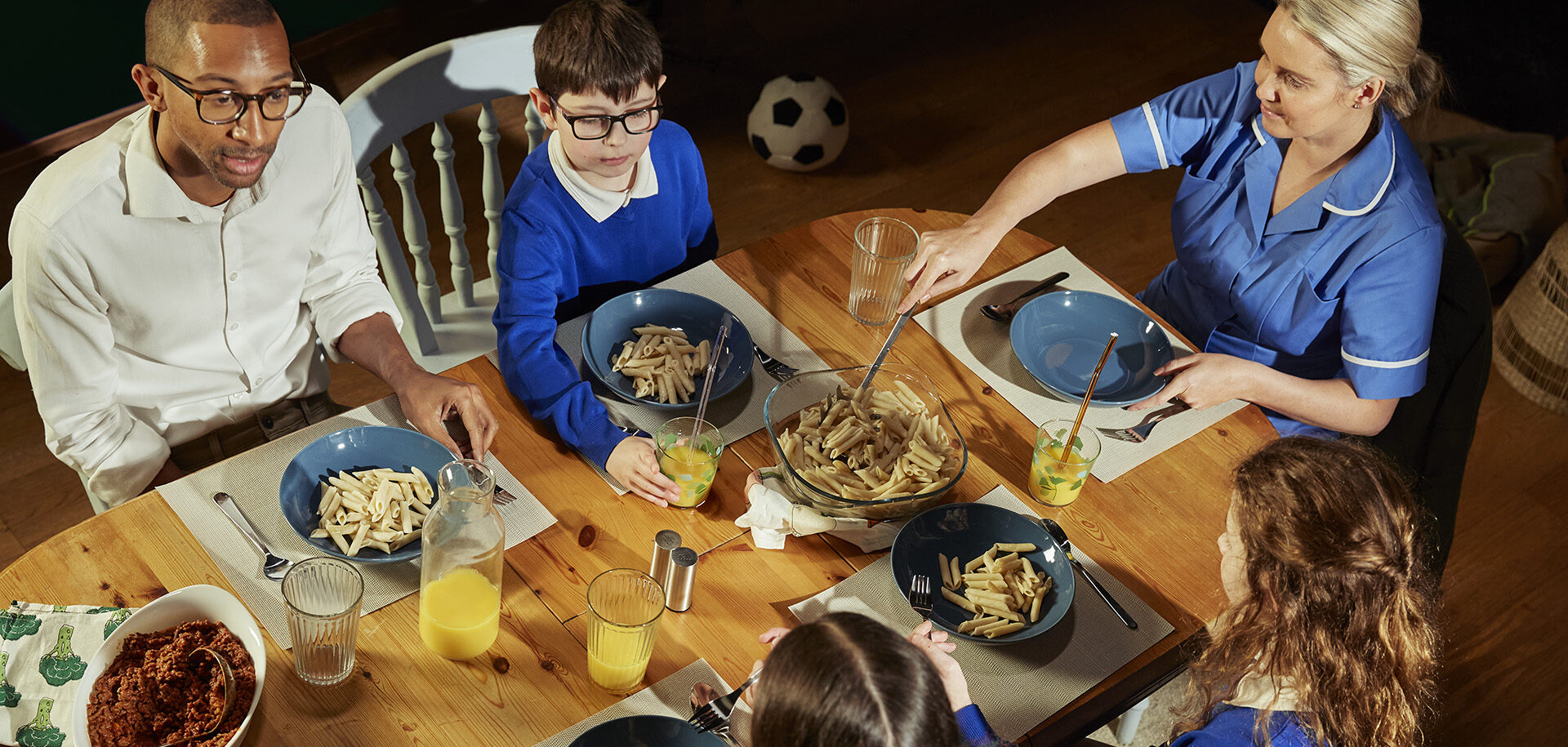
Becoming a nurse requires a natural knack for caregiving. You need to be empathetic and have an innate understanding of people’s needs at any moment in time. Many nursing skills can also be especially useful foster carer skills, which often makes nurses a great fit for fostering.
If you’re a nurse and considering becoming a foster carer, read on to learn why your skills and experience could make a difference to a child’s life.
transferable nursing skills for foster carers
Nursing and care go hand-in-hand, and there are many aspects of nursing that are also desirable foster care skills, such as:
communication
Effective communication is an essential skill for any nurse to master. After dealing with hundreds, if not thousands, of patients every day, the ability to adapt your communication style becomes paramount ; whether it’s talking through treatment or delivering news.
This same ability is also a highly valuable foster carer skill. Good communication helps break down the barriers between foster parent and foster child, helping establish a connection so that a strong relationship can emerge. Whether it’s just listening, explaining things in a way they understand, advocating for them, helping them to vocalise their feelings, or lightening a difficult moment with a joke and a smile, communication is key.
As a foster carer, you may also be speaking with all kinds of adults – from social workers and team managers, to birth parents, court officials, mental health professionals, medical providers, and school staff, as well as fellow foster carers. That’s why good communication is among the top transferable nursing skills for fostering.
empathy
To be a good foster parent, you must be empathetic. Being able to quickly sense how a foster child may be feeling, and why, can help you respond in a way that makes them feel safe and understood. You can also help them make sense of their own emotions.
Thankfully, nurses usually have a natural gift of empathy. This allows them to understand how an individual may be feeling, or what care they need to feel better – just like a foster parent would with the young people in their care.
problem solving
Although it may not seem like it, problem-solving skills are vital for any foster parent. There are many different scenarios that foster parents face, both directly associated with caring for foster children, and along with the other administrative responsibilities that come with becoming a foster parent.
Being able to navigate such hurdles effectively is therefore crucial, as it enables issues to be dealt with swiftly. Of course, this essential foster carer skill is naturally part of any nurse’s arsenal; after all, dealing with both administrative paperwork and challenging people comes with the territory.
You would naturally be good at coming up with ideas of something different to try to support a child in your care. It might be setting the table before they go to school, or creating a visual meal planner to help children with food insecurity know when their next meal is coming.
medical knowledge
Medical knowledge is useful across all walks of life, not just as part of foster care skills. Being able to deal with minor injuries quickly and effectively, while understanding what may need more professional attention.
If your foster child already has or develops any health issues, your medical understanding will prove invaluable, whether you’re dealing with things like asthma and diabetes, caring for a baby with a feeding tube or simply being less squeamish if you discover head lice.
professional training
Fostering and nursing both share a common need for adequate knowledge of safeguarding principles. Many nurses will receive safeguarding training from their employer, and learning you’ve already completed elsewhere is transferable to your fostering learning and development plan.
Every foster carer needs to be trained on these topics, so having the knowledge ahead of time as a nurse can be especially beneficial, giving you a head start on the journey of acquiring all the necessary foster carer skills.
flexibility
Nursing often involves unpredictable work, so a good amount of flexibility is required to meet patient needs. The same can be said for fostering – being able to handle the uncertainties that come with the role is a valuable foster carer skill. After all, every child is different, so their needs can vary greatly. Being able to adapt to these needs seamlessly , and being fairly unflappable, can make a big difference to their life, and your foster parenting experience.
Of course, combining nursing shifts with fostering, or any kind of parenting, can be challenging. It’s certainly doable with the proper support and planning, but it can take teamwork – such as sharing foster caring duties like the school run with your partner, adult children, or your own parents.
varied care experience
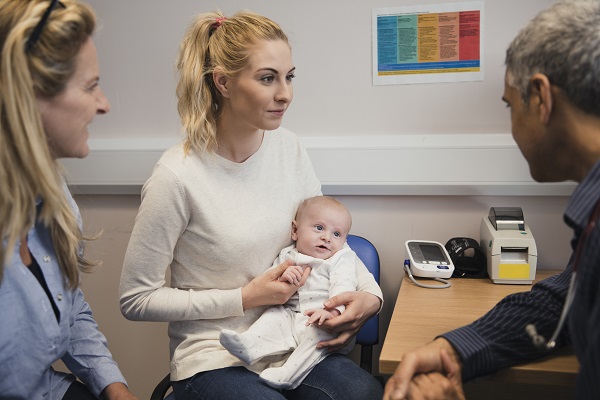
Fostering isn’t always solely about offering young children a caring home. Sometimes, parent and child foster care may be needed to ensure that parents receive support to look after their child without being separated.
The experience that nursing affords, particularly through the diverse range of individuals nurses look after, can be especially useful as a transferable foster care skill in these arrangements. It means that carers are better equipped to both look after foster children, as well as provide ample support for the parents.
In many cases, you might be supporting a mum who has recently given birth and teaching them how to take care of their baby, from feeding to changing nappies. This will come naturally to nurses with health visitor or midwife experience, who may have seen young mums in their ward leaving with little family support, or witnessed social workers visiting patients on the ward.
thinking of becoming a foster parent?
Many nurses adapt to fostering incredibly quickly, due to the skills they already have in their day-to-day work. If you’re a current or ex-nurse who’s thinking of starting the journey into foster care, contact your local authority. To find out more about other routes into fostering, and who can apply, take a look at who can foster in Wales.